

In his book The Death of Expertise (2024), social scientist Tom Nichols argues that “the dismissal of learning and expertise is now an ingrained habit of mind that is crippling the ability of millions of citizens in democratic nations to exercise even basic civic and social responsibilities” (Nichols, 2024, p. xv). While his research centers mostly on the social and political side of this phenomenon, he points to plenty of business examples too — leaders “doing their own research” instead of trusting the experts, driven by the same cognitive bias we’ve been talking about: Dunning-Kruger.
Most failures of judgment are pretty low-stakes. But some become the corporate scandals that define an era. Enron’s accounting fraud. Wells Fargo’s fake accounts. Lehman Brothers’ risky mortgage bets. Theranos’s fraudulent blood testing. These didn’t happen only because of ethical lapses and greed — they happened because unqualified people, overconfident in their own judgment, were sitting in the room where it happened. The stakes of getting this wrong are real: today, the economy is teetering on the edge of another tech bubble, with 95% of AI pilots failing to achieve their stated goals (Challapally et al., 2025), and tens of thousands of jobs disappearing due to AI-driven decisions — a possible early sign of leadership overconfidence in yet another emerging technology.
For your reading & viewing pleasure
At the Society for Industrial-Organizational Psychology annual conference, one of the most popular (standing room only) sessions each year is "From Screen to Science: Finding I-O in TV, Movies, and Games." It's great to see the concepts we study in the field brought to life on screen. While speakers often dissect examples of good leadership on screen, I prefer the dark side. Thrillers, dramas, romcoms, superheroes — fine, whatever. But a good scandal story? I'm all in. Especially when the bad guys lose. Corporate Crime Reporter put together a list of the 100 best corporate crime movies — solid list, but they missed a few of my personal favorites. So here are my top three scandals of the 21st century, and what each one tells us about what happens when we let charisma and confidence outrun actual qualifications and competence.
Theranos
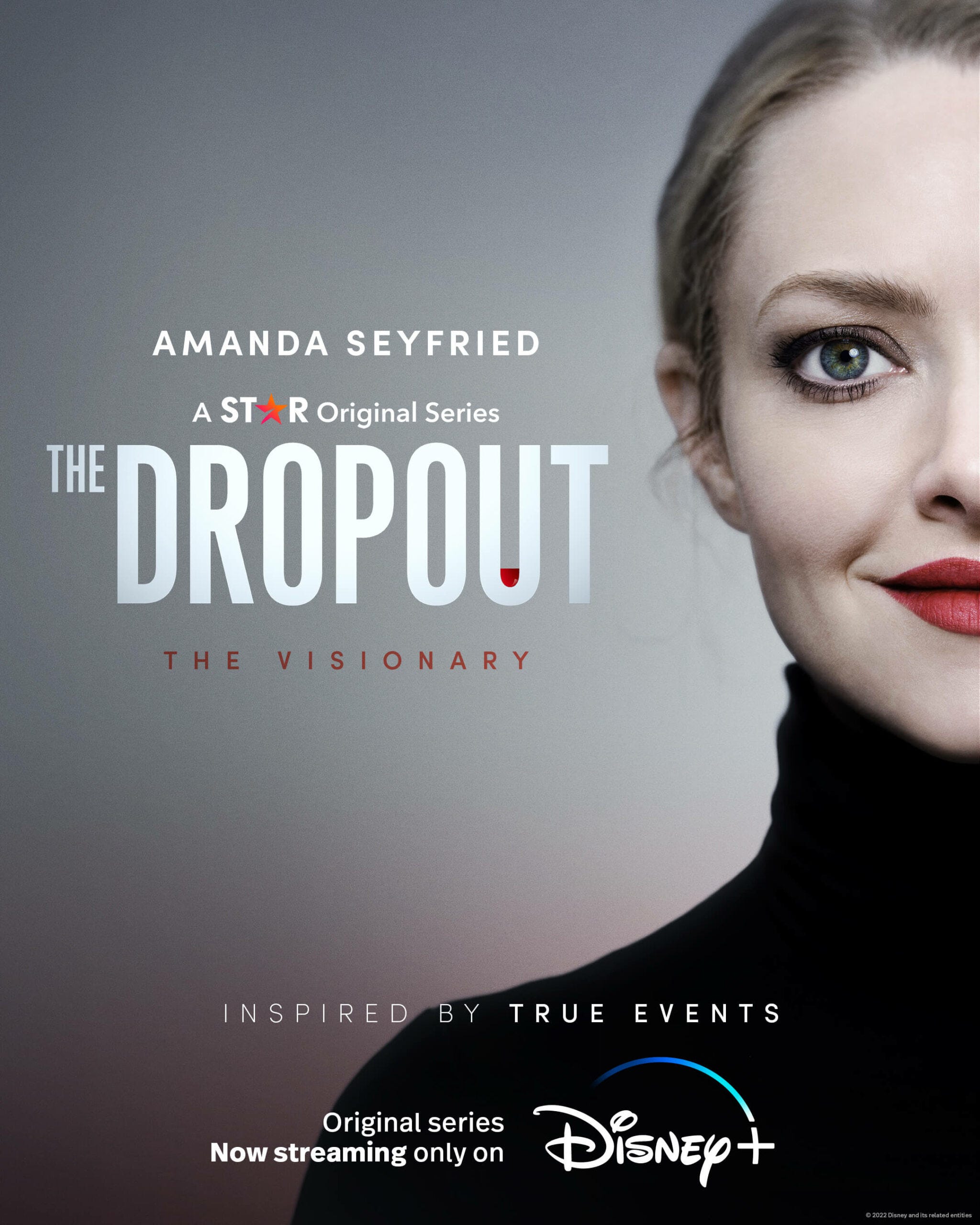
Living in the Bay Area, for a long stretch there, Elizabeth Holmes's story was all anyone could talk about, and I devoured everything I could find on it — John Carreyrou's excellent exposé Bad Blood, Alex Gibney's HBO documentary, or the Hulu docudrama series starring Amanda Seyfried. It's one of the most fascinating case studies of an "unskilled and unaware" leader making catastrophically bad decisions, and getting away with it for a decade.
The math alone is mind-bending: powerful, credentialed people bought into her overconfident speculation to the tune of $700 million, backing a $4.5 billion valuation for technology that never actually worked. How does a college dropout convince people she knows more than PhDs who’ve spent their careers on the exact problem she claims to have solved? Her overconfidence in her own scientific ability met investors’ and advisors’ overconfidence in their own instincts for spotting a winner — and neither side thought to trusts actual experts in the field to validate scientific feasibility of the idea.
WeWork
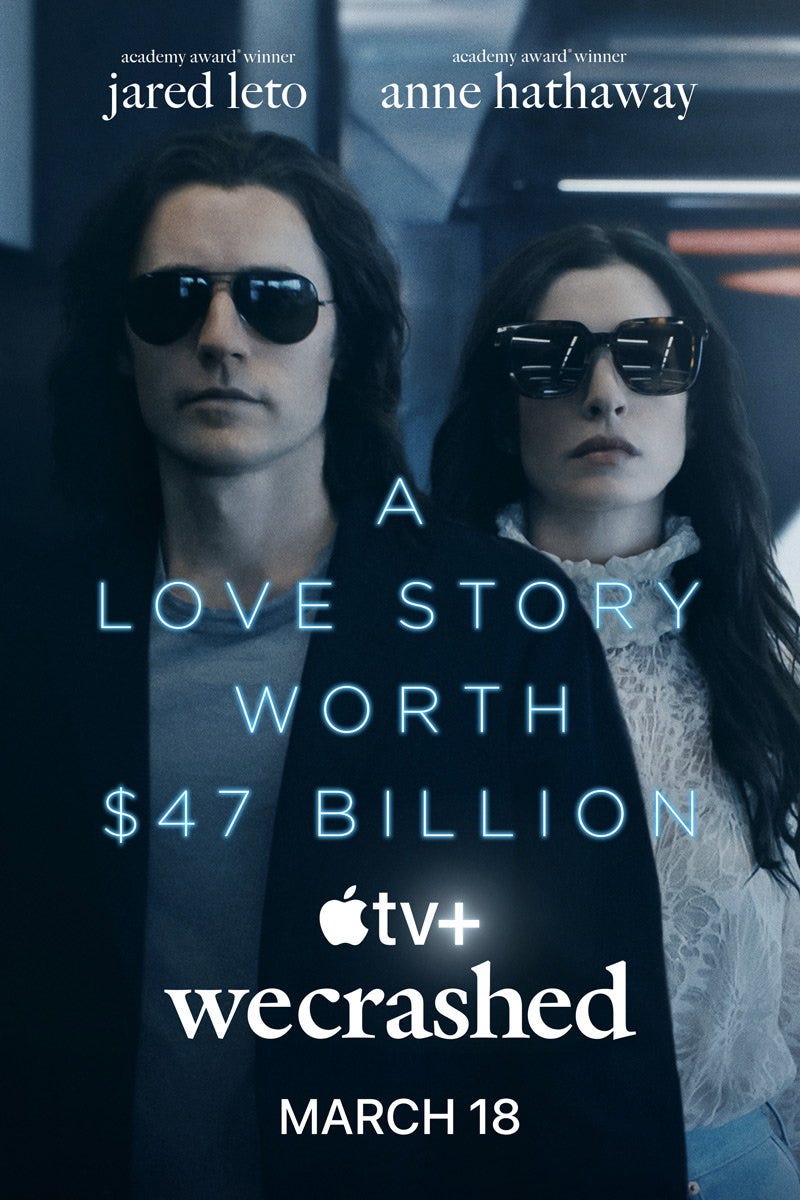
Oh man, the WeWork story got me too. I remember the buzz in San Francisco when this “innovative” real estate company started convincing everyone it was actually a tech company — one that would somehow “elevate the world’s consciousness,” to use Adam Neumann’s own framing.
Neumann was the platonic ideal of the traits from Part 1 of this series: tall, charismatic, a commanding presence who could talk a room into anything. What he wasn’t was a person with any particular expertise in commercial real estate, corporate governance, or running a business that needed to eventually turn a profit. None of that stopped SoftBank’s Masayoshi Son from pouring in billions after — by his own account — a 12-minute meeting. None of it stopped a board of supposedly sophisticated investors from signing off on related-party deals where Neumann personally profited from leasing his own buildings back to his own company. The IPO prospectus that finally forced a reckoning wasn’t undone by some hidden secret — it was all sitting right there in the filing, waiting for anyone to actually read it with a skeptical eye.
A few good deep dives if you want the details: Reeves Wiedeman's book Billion Dollar Loser, the 2021 Hulu documentary WeWork: Or the Making and Breaking of a $47 Billion Unicorn, and the 2022 Apple TV+ docudrama WeCrashed, with Jared Leto playing Neumann with unsettling accuracy.
Fyre Festival
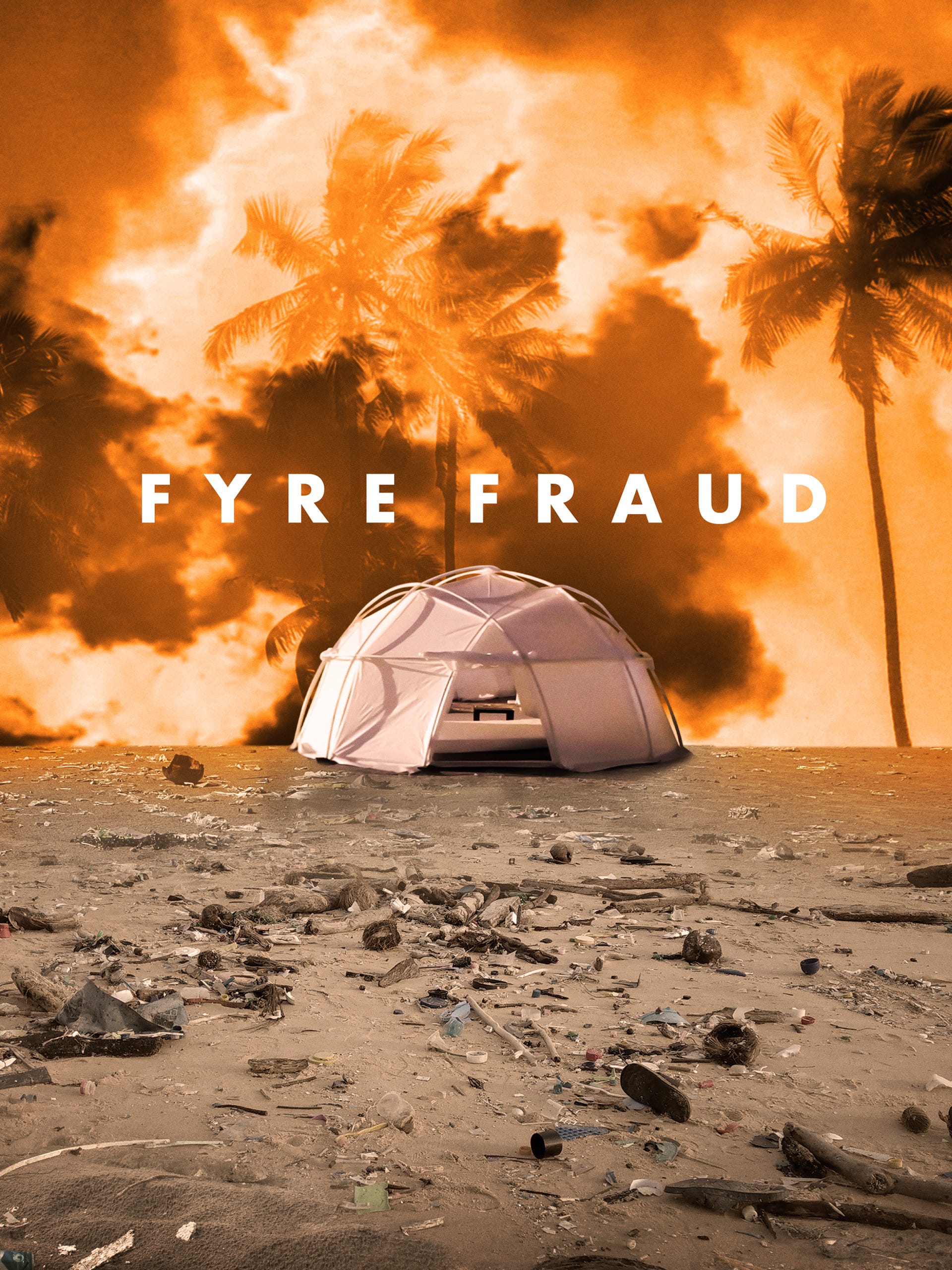
If Theranos and WeWork are the master class in overconfidence at scale, Fyre Festival is the fast, chaotic, almost cartoonish version of the same story. Billy McFarland sold a luxury music festival on a private Bahamian island — supermodels, gourmet food, five-star villas — and delivered disaster-relief tents and cheese sandwiches in styrofoam containers.
What makes it such a clean DKE case study is how many actual experts tried to stop it. Event planners, caterers, and local officials repeatedly told McFarland’s team the timeline and infrastructure weren’t real — and got overruled or ignored, because McFarland was convinced his vision and his hustle could will the logistics into existence. He wasn’t short on confidence. He was short on literally everything else: potable water, a stage, functioning tents, a working plan.
There are two competing documentaries if you want the full story — Netflix's Fyre: The Greatest Party That Never Happened and Hulu's Fyre Fraud — and it's genuinely worth watching both, since each one got access to different players and they tell slightly different versions of the same collapse.
Conclusion
What do all three of these stories have in common? A good-looking, ambitious, commanding person talks their way into the room, convinces everyone around them to run with an idea, and never brings in the experts who could tell them whether any of it is actually viable. And when experts do show up, they’re rarely as charming or convincing as the leader who got them into that mess in the first place — so they get overruled instead of heeded.
I won’t cry tears for the investors, who arguably should have known better. But the customers, employees, and everyday people who get hurt in the fallout deserve better than leaders who were never equipped to make the calls they were making.
Next week: how to actually screen for and minimize DKE in leadership ranks. It’s not as hard as you’d think — but it does require real governance and commitment from boards and investors to fully vet who they’re granting power
References
Carreyrou, J. (2018). Bad blood: Secrets and lies in a Silicon Valley startup. Alfred A. Knopf.
Challapally, A., Pease, C., & Raskar, R. (2025). The GenAI divide—State of AI in business 2025 [White paper]. MIT NANDA. https://www.aigl.blog/state-of-ai-in-business-2025/
Corporate Crime Reporter. (n.d.). The top 100 corporate crime movies. Retrieved 2025, from https://www.corporatecrimereporter.com/news/200/the-top-100-corporate-crime-movies/
Crevello, D., & Eisenberg, L. (Creators). (2022). WeCrashed [TV series]. Apple TV+; Zaftig Films; Wondery.
Furst, J., & Willoughby Nason, J. (Directors). (2019). Fyre fraud [Film]. Hulu; Cinemart.
Gibney, A. (Director). (2019). The inventor: Out for blood in Silicon Valley [Film]. HBO Documentary Films; Jigsaw Productions.
Meriwether, E. (Creator). (2022). The Dropout [TV series]. Hulu; 20th Television; Searchlight Television.
Nichols, T. (2024). The death of expertise: The campaign against established knowledge and why it matters (2nd ed., updated and expanded). Oxford University Press. https://doi.org/10.1093/oso/9780197763827.001.0001
Rothstein, J. (Director). (2021). WeWork: Or the making and breaking of a $47 billion unicorn [Film]. Hulu; Campfire; Forbes Entertainment; Olive Hill Media.
Smith, C. (Director). (2019). Fyre: The greatest party that never happened [Film]. Netflix; Jerry Media; Vice Studios.
Wiedeman, R. (2020). Billion dollar loser: The epic rise and spectacular fall of Adam Neumann and WeWork. Little, Brown and Company.